Formatted for Desktop
Fifteen Years Later and Now I’m a Professional?
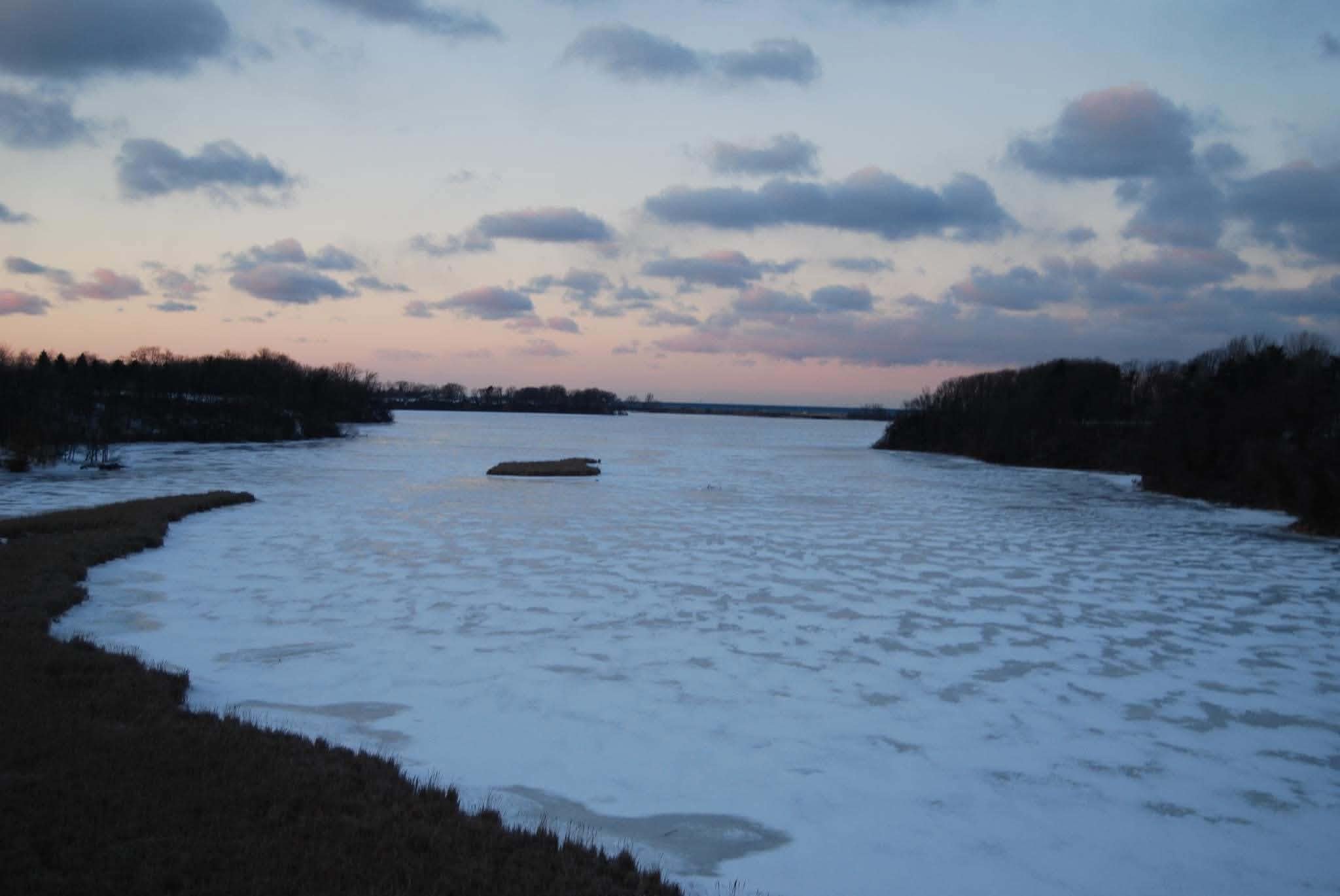
On June 5th, 2010, thirteen-year-old me uploaded some photos to Facebook that I had taken with a DSLR.
I obviously didn't know it at the time, but apparently that was the beginning.
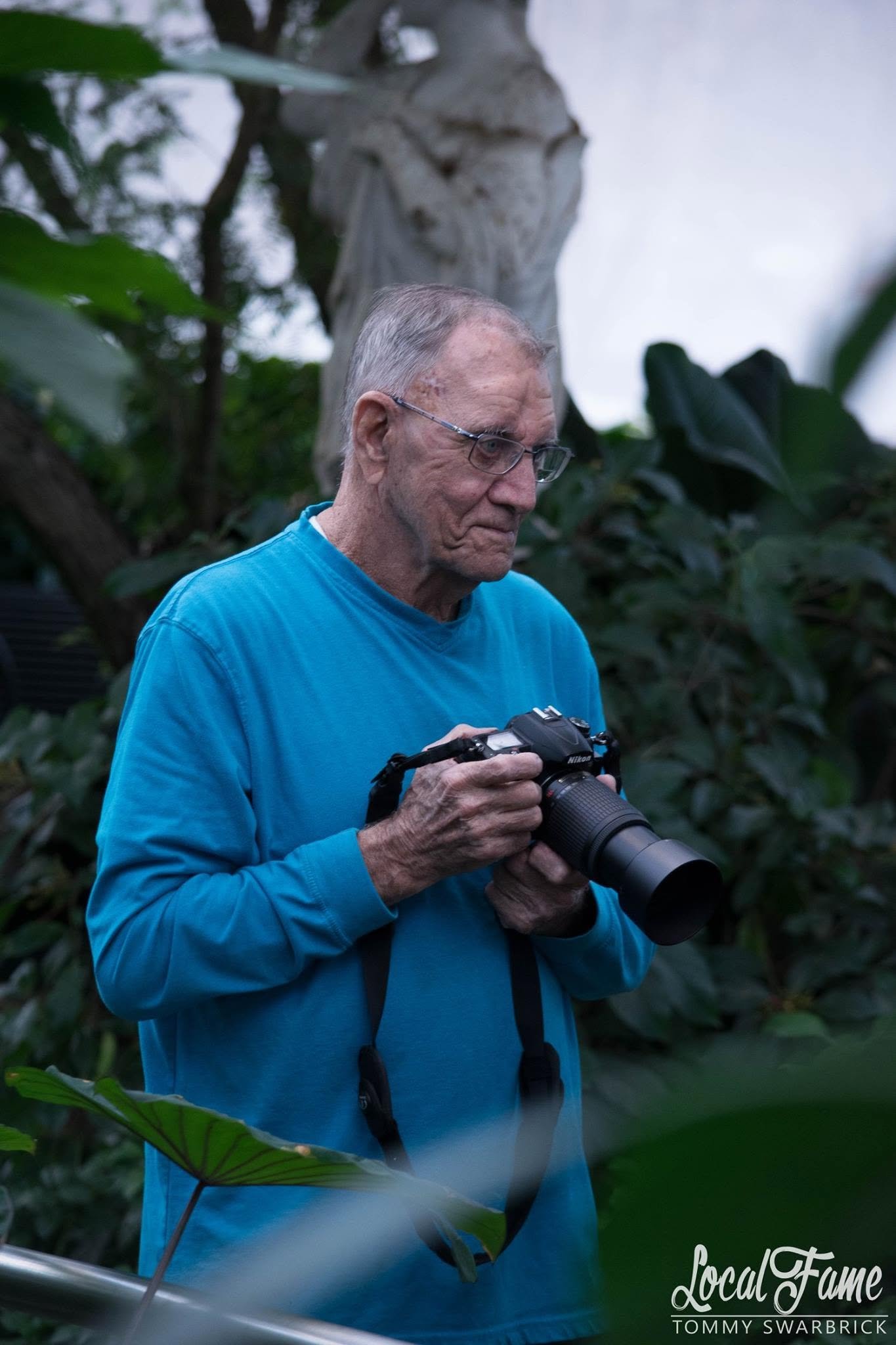
Photography had been introduced to me by my maternal grandfather, Chick. At that point in his life, he had been retired for as long as I could remember, and he had bought himself a Nikon D800 largely as an excuse to make sure he could never complain that he had nothing to do.
More importantly for me, he was always willing to hand it over.
If I ever wanted to use the camera, I could.
So I did.
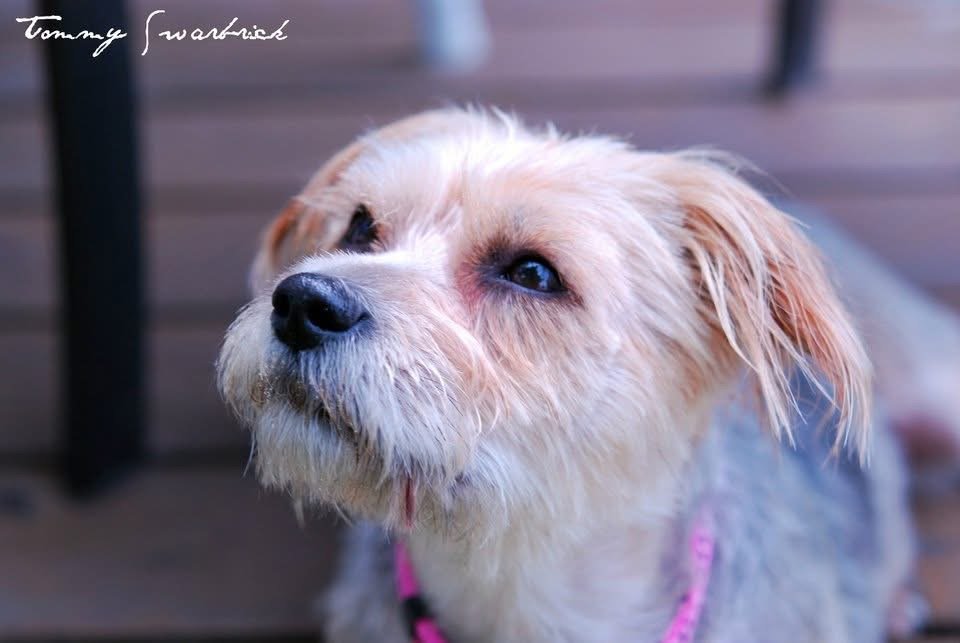
I photographed things around the house. Pets. Friends. My hometown. Whatever happened to be in front of me that seemed even remotely interesting. There was no portfolio strategy, no Instagram algorithm to appease, no client wondering where their gallery was, no contracts, usage rights or invoices.
There definitely wasn't a five-year business plan.
I was thirteen.
The thing that hooked me wasn't necessarily photography itself, at least not in the way I understand it today. Looking back, I think it was the satisfaction of taking something that only existed as an idea in my head and turning it into something tangible.
You imagined something.
You pointed a camera at it.
You pressed the shutter.
And suddenly, that idea existed.
That was enough.
The first camera I would eventually call my own was a Nikon D5300, but that D800 was where everything began. At the time, though, the idea that photography could become any kind of legitimate path forward for me wasn't ambitious.
It was a pipe dream.
Actually, scratch that.
It wasn't even really a dream yet.
The funny part about saying I've been taking photos for fifteen years is that it sounds considerably more impressive than the reality.
Those fifteen years were not fifteen consecutive years of relentless artistic development.
Photography had competition.
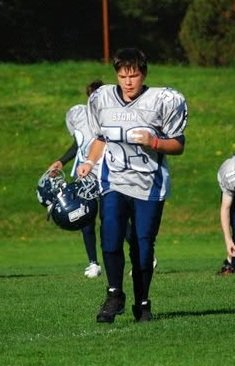
Football existed.
Video games existed.
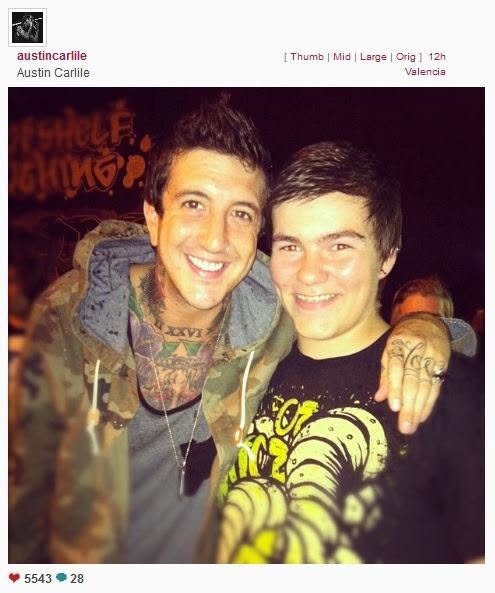
Concerts existed.
Friends existed.
My social life existed.
And, perhaps most catastrophically for the attention span of a teenage boy, girls existed.
Photography came and went depending on what part of life was occupying the most space at the time.
There were stretches where I shot constantly and stretches where I barely touched a camera.
At one point between 2019 and 2022, while moving apartments with a former partner, it had been so long since I had seriously done anything with photography that I got rid of the old PC tower containing most of my earliest photographs.
Brilliant decision.
Those files are gone now.
Everything.
All that's left from those formative years is whatever younger-me happened to decide was good enough to upload somewhere online.
Which, considering the artistic judgement of teenage me, means I've entrusted the historical record of my earliest photography to Facebook posts.
Excellent.
What I did retain, though, was what I had learned.
Some of it came from my grandfather. Some of it came from my high-school computer science teacher, Mr. Beens, who was also a photographer.
He was passionate enough about photography that he convinced the school to purchase digital cameras.
Naturally, because schools operate according to logic beyond our mortal understanding, the students enrolled in Yearbook got to use the digital cameras while the students taking Photography were taught to shoot film.
I started editing in Adobe Lightroom and, fifteen years later, Lightroom is still where the majority of my work begins.
Photoshop, however, was forbidden.
Not because anybody prevented me from using it.
Because teenage me had decided Photoshop was cheating.
My reasoning was essentially, "Well, they didn't do that in-camera."
This was an extremely sophisticated artistic philosophy developed by someone who probably couldn't reliably explain the exposure triangle yet.
Eventually, thankfully, I got over myself.
Photographers like Atiba Jefferson and Adam Elmakias initially caught my attention, and later Larry Chen became another major source of inspiration.
But despite all those years of shooting, learning, experimenting and occasionally abandoning photography altogether, there is something slightly ridiculous about the fact that I can pinpoint the first time I seriously considered that my photographs might actually be worth something.
It wasn't 2010.
It wasn't 2017.
It wasn't even when I started working professionally.
It was 2026.
When BMW Canada contacted me for work.
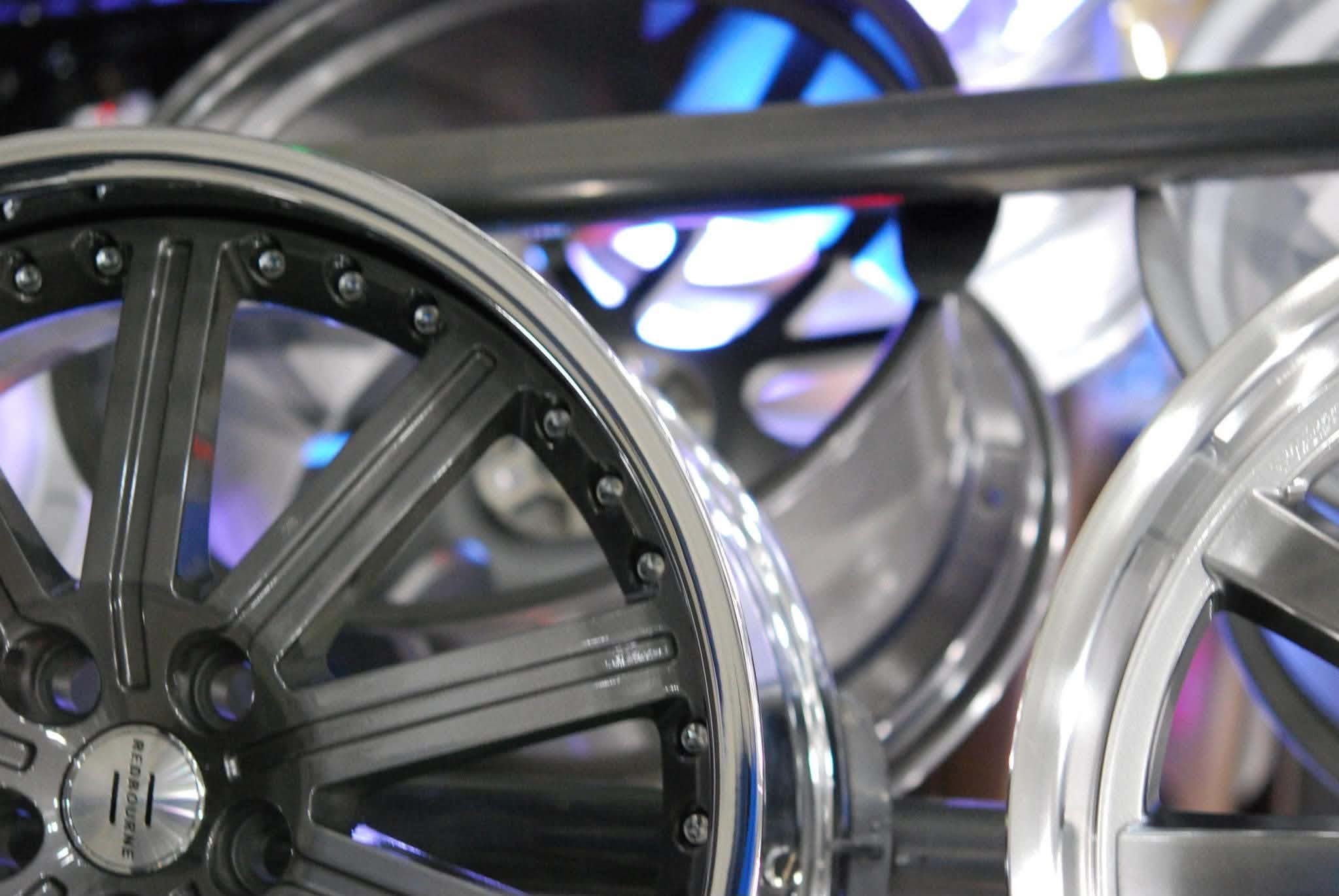
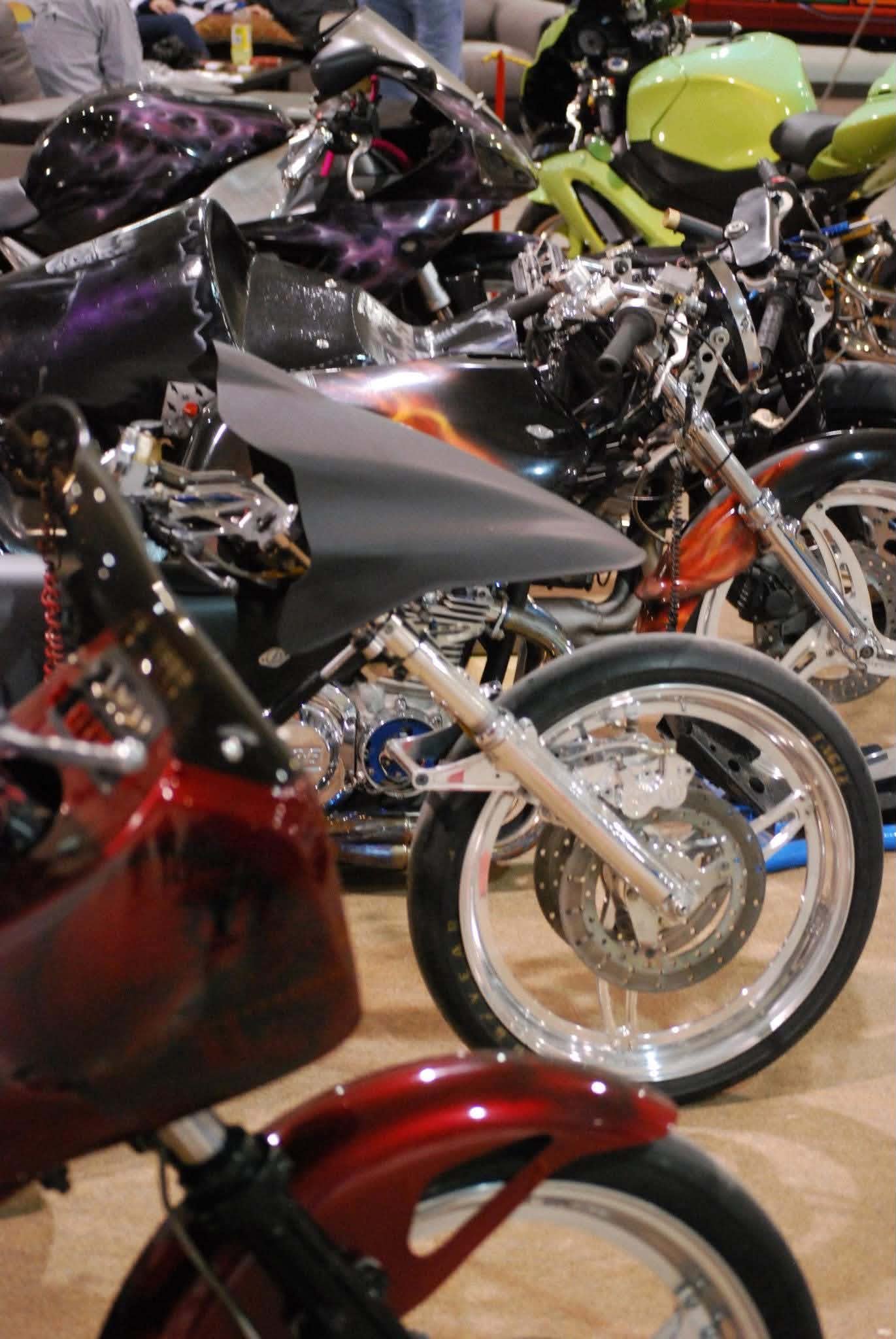
My first real introduction to photographing cars came in 2013 at Motorama at the International Centre in Mississauga.
My local high school was taking automotive students on a field trip to the show, but they couldn't fill the bus. The invitation was extended to students from my public school who might be interested.
I jumped at it.
At that age, going into "the big city" to see what the automotive scene had to offer felt enormous.
I wanted to come home with photographs of everything I had seen.
But even then, I remember being equally interested in the details that the photos didn't capture.
The stories.
The sounds.
The atmosphere.
The things happening around the cars.
Cars themselves had already been buried somewhere in my brain long before that trip.
One of my earliest automotive memories is being taken for a quick drive in a family member's British Racing Green NA Miata. I couldn't have explained to you what made one car different from another back then, but somewhere along the way my ears had apparently become permanently programmed to notice when an exhaust note didn't sound particularly factory-approved.
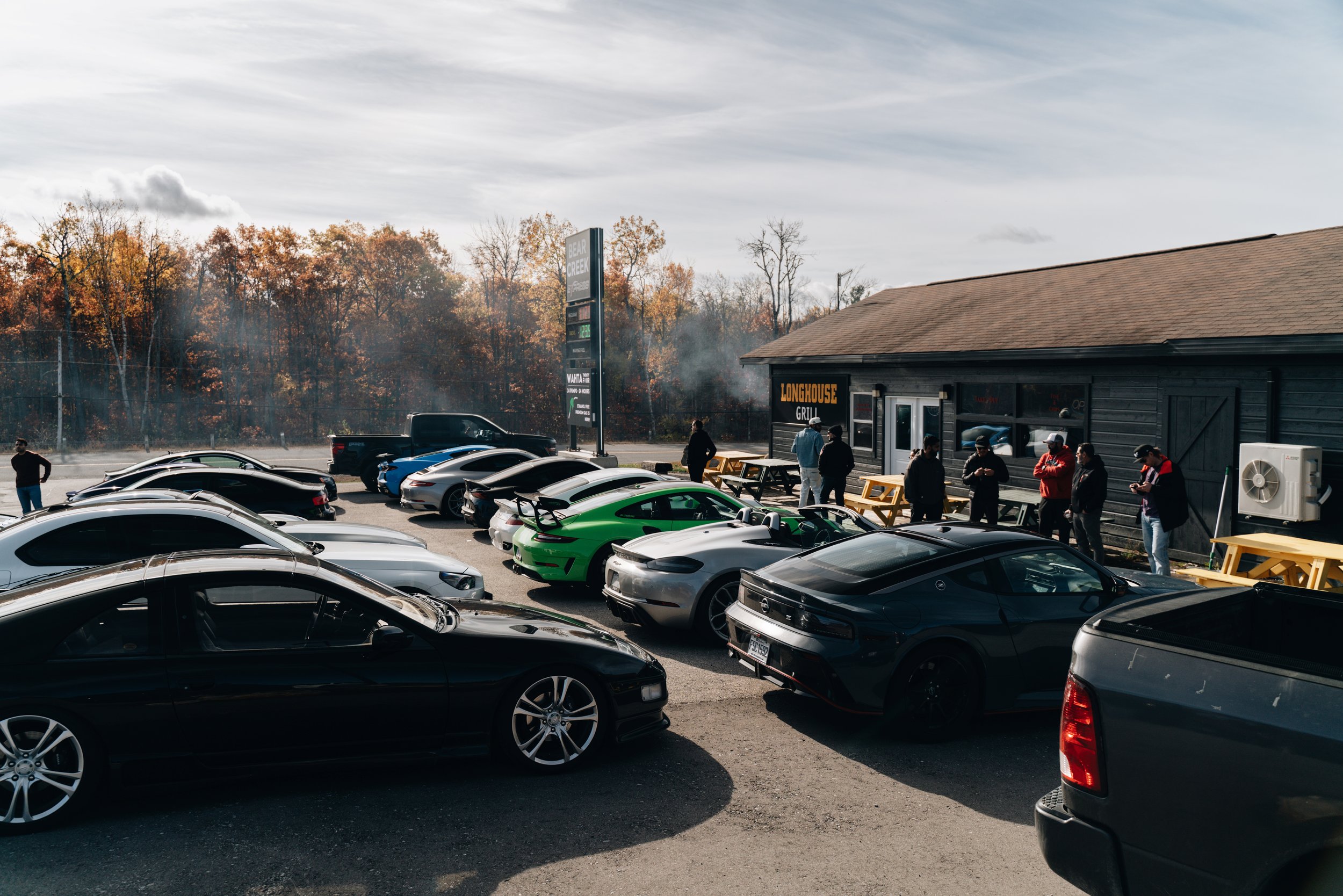
Eventually, car shows became CSCS events, and CSCS became one of the places where I developed many of the habits I still carry into my automotive photography today.
Where else could you photograph a spotless show car, a drift missile held together through equal parts zip ties and optimism, and a purpose-built drag car within a few hundred feet of each other?
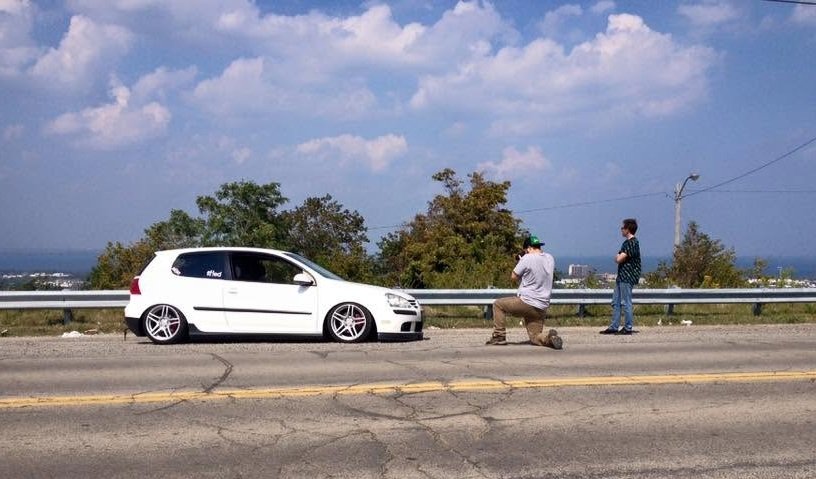
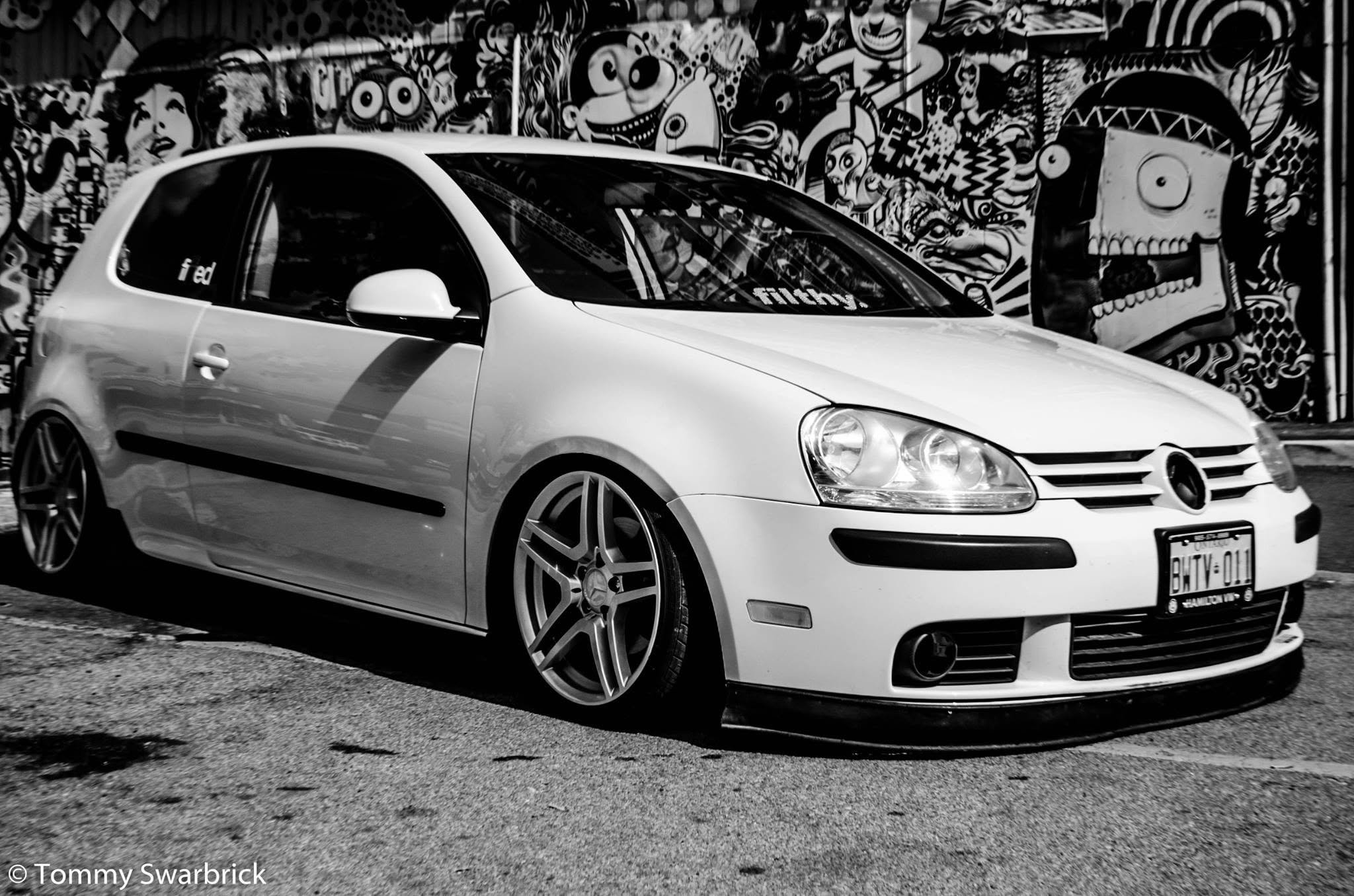
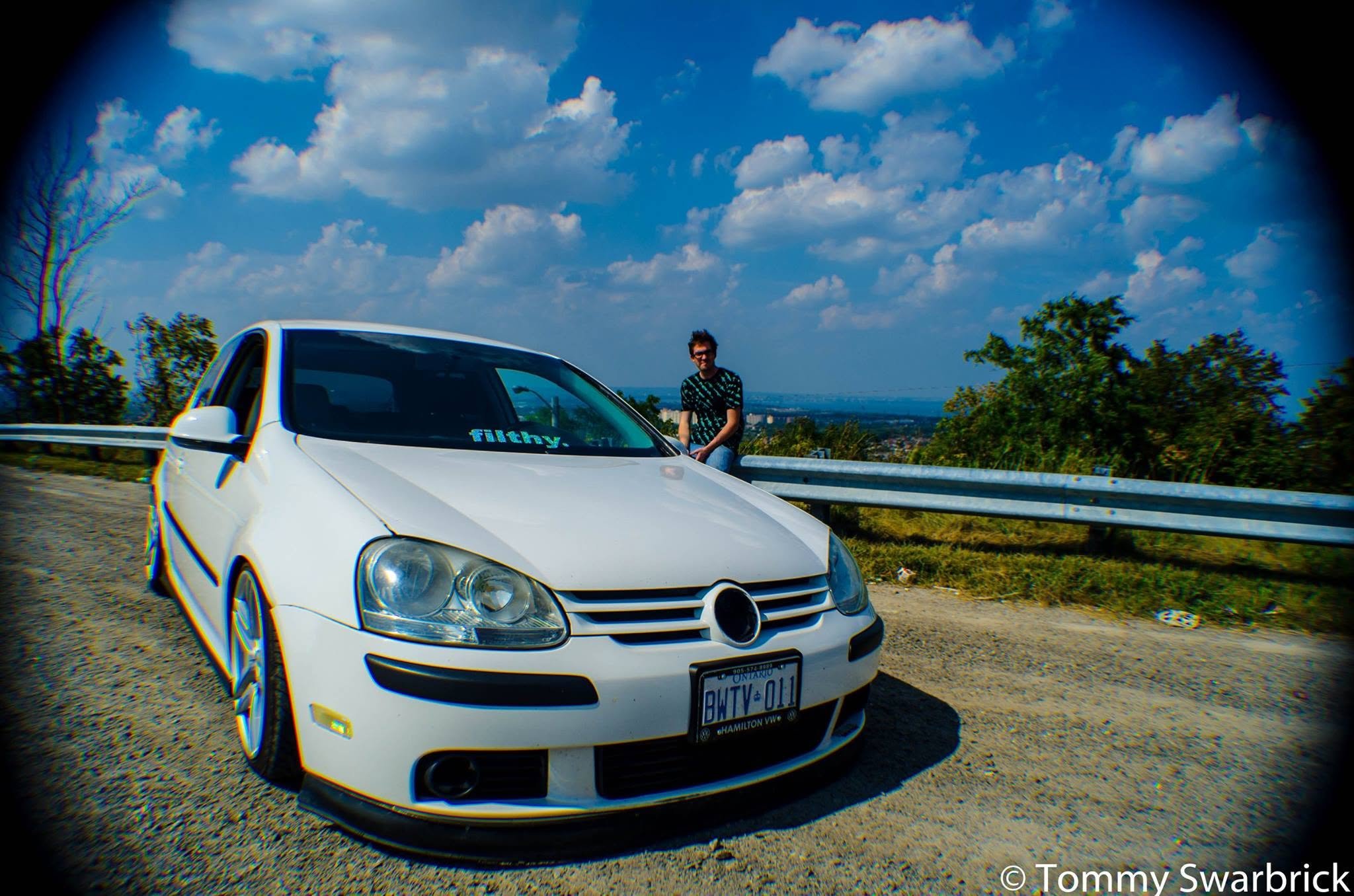
My first deliberate automotive shoot outside of those environments was an old friend Colin B.’s VW Golf.
It wasn't a commercial assignment.
Nobody from a manufacturer was waiting for the files.
There was no creative brief.
It was just another opportunity to point a camera at a car.
I had absolutely no idea where that would eventually lead.
In 2017, something unprecedented happened.
Someone paid me.
A gentleman named Dylan Sharpe somehow came across my photography. To this day, I genuinely don't know how.
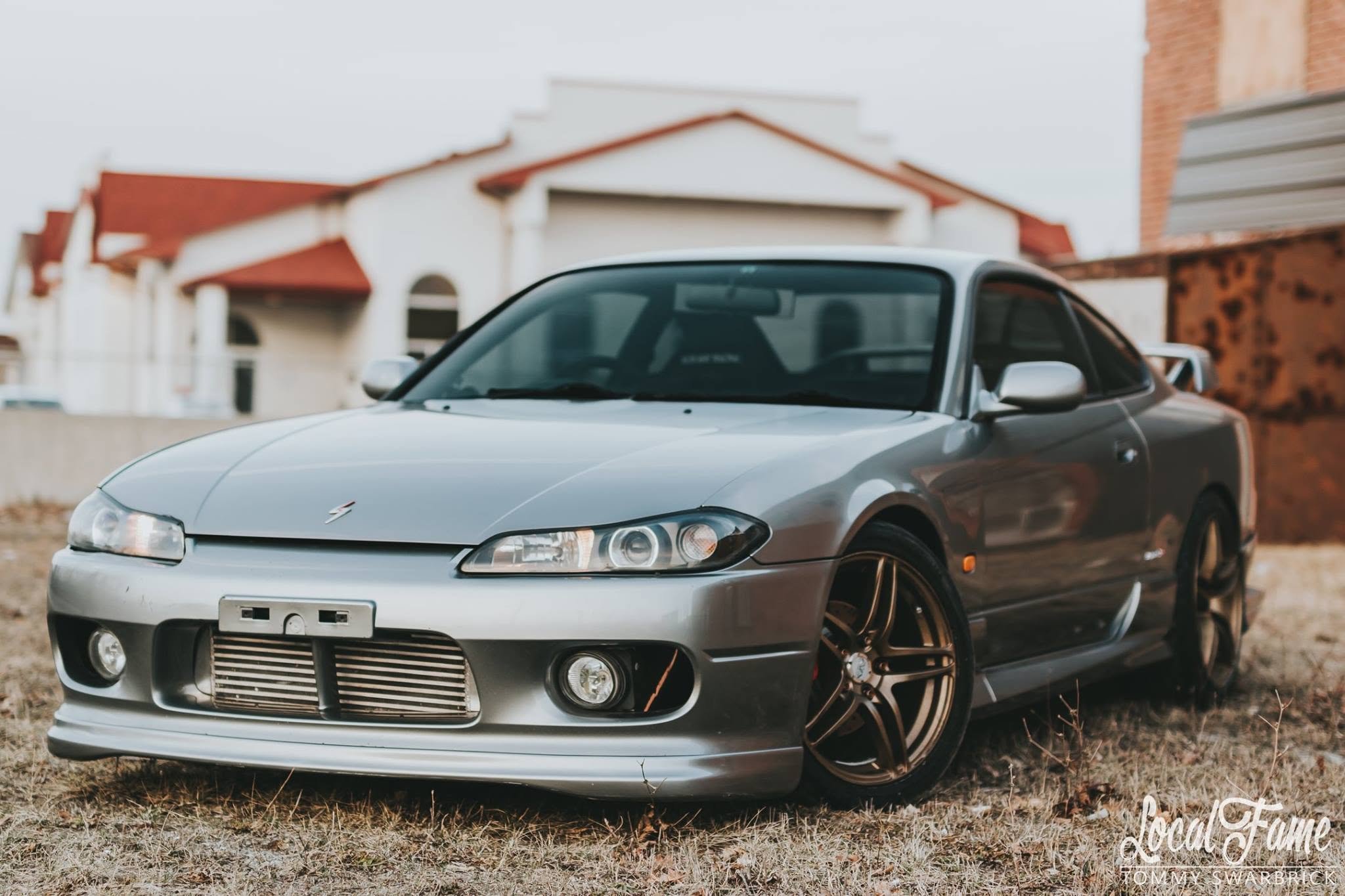
He asked me to photograph a silver, RB25-powered Nissan S15 in what I would now describe as Bring a Trailer-style coverage.
If memory serves me correctly, he paid me $100.
Today, only a single front three-quarter image from that shoot survives.
But I still remember the significance of it.
Somebody had handed me actual money in exchange for photographs.
You might think this was the moment I triumphantly announced:
"Well, I guess I'm a professional photographer now."
Absolutely not.
I felt lucky.
Incredibly lucky.
I was excited that somebody valued something I enjoyed doing enough to pay for it, but I was also nervous as hell that I wouldn't deliver photographs Dylan would actually be happy with.
That feeling hasn't entirely disappeared.
The invoices have changed.
The clients have certainly changed.
The nervousness?
Apparently that's coming with me.
Fast-forward to March 1st, 2024.
I opened Instagram.
Near the top of my feed was a post from an organization I wasn't particularly familiar with called MorningMeets.
They were holding an open talent tryout for their media team.
The proposition was refreshingly simple:
Show up.
Take photos.
Send them in.
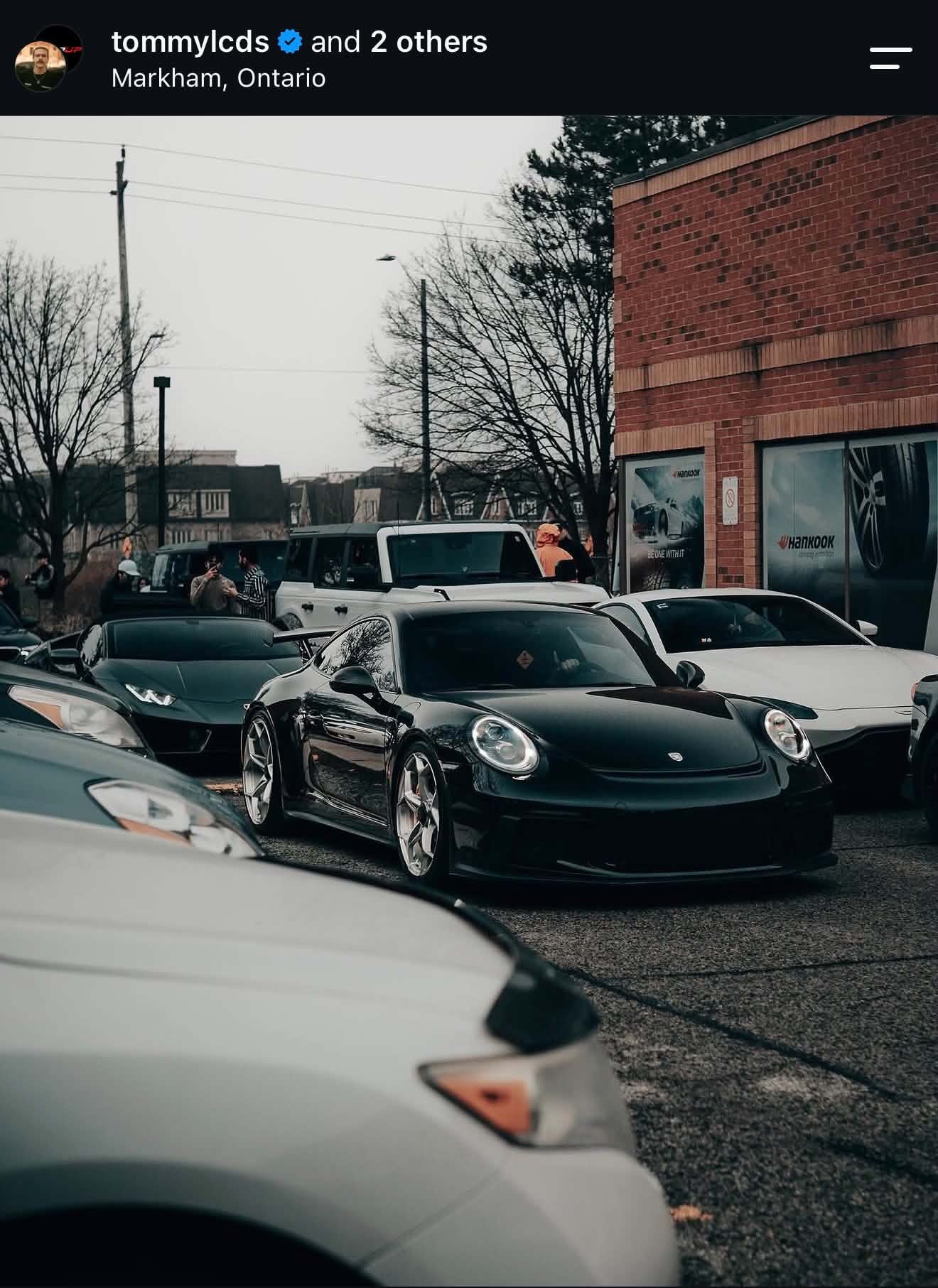
If selected, you'd become part of the media team and receive a MorningMeets Media Team T-shirt.
There was something about the confidence of the organization that caught my attention immediately. They weren't making ridiculous promises. Nobody was advertising some revolutionary opportunity guaranteed to transform your photography career overnight.
They were organizing a car meet.
They needed photographers.
And successful applicants got a shirt.
I wanted that damn T-shirt.
Nobody was getting in my way.
The slight problem was that my portfolio at the time was, in my opinion, best described as hobbyist.
Maybe aggressively hobbyist.
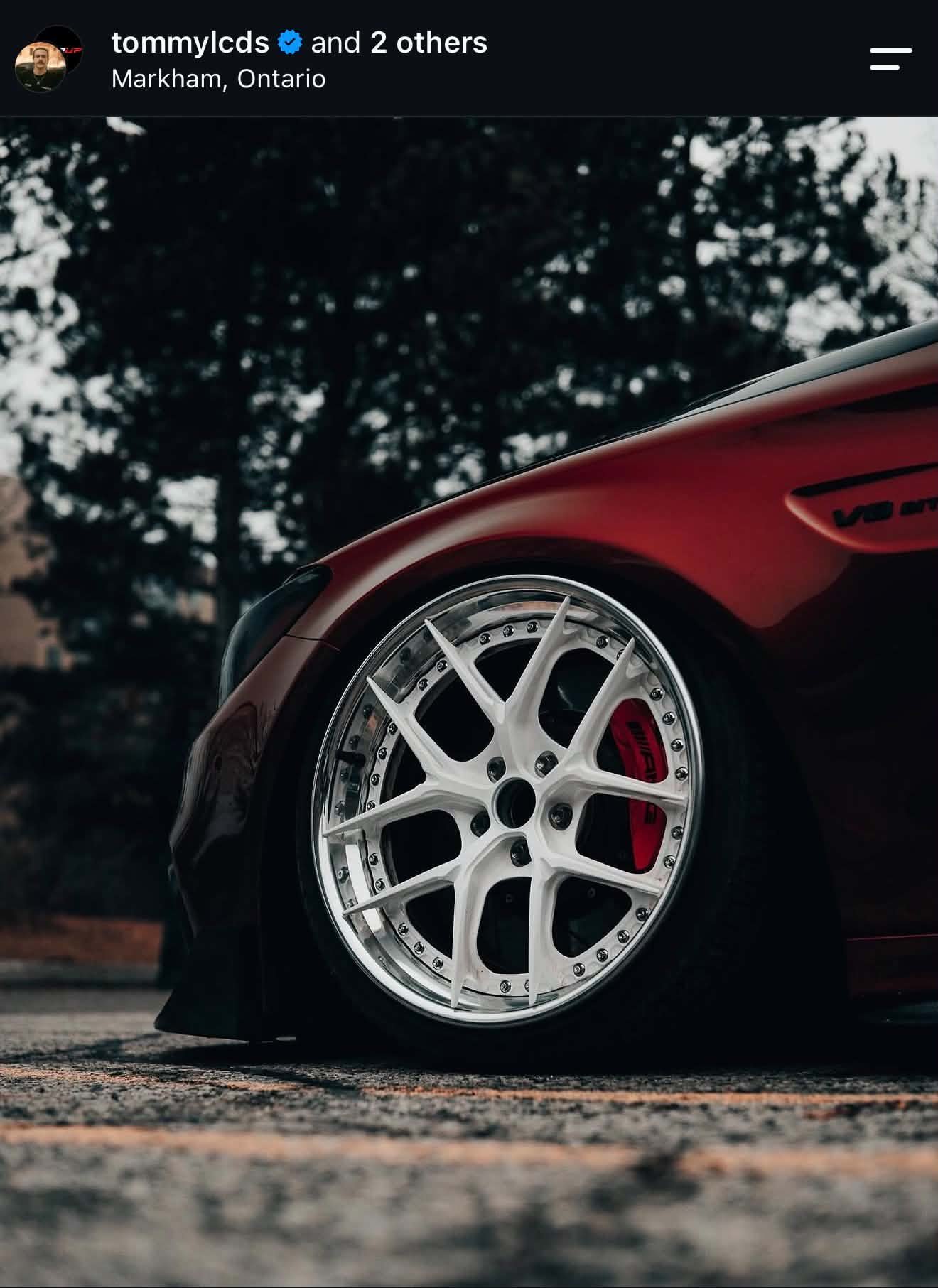
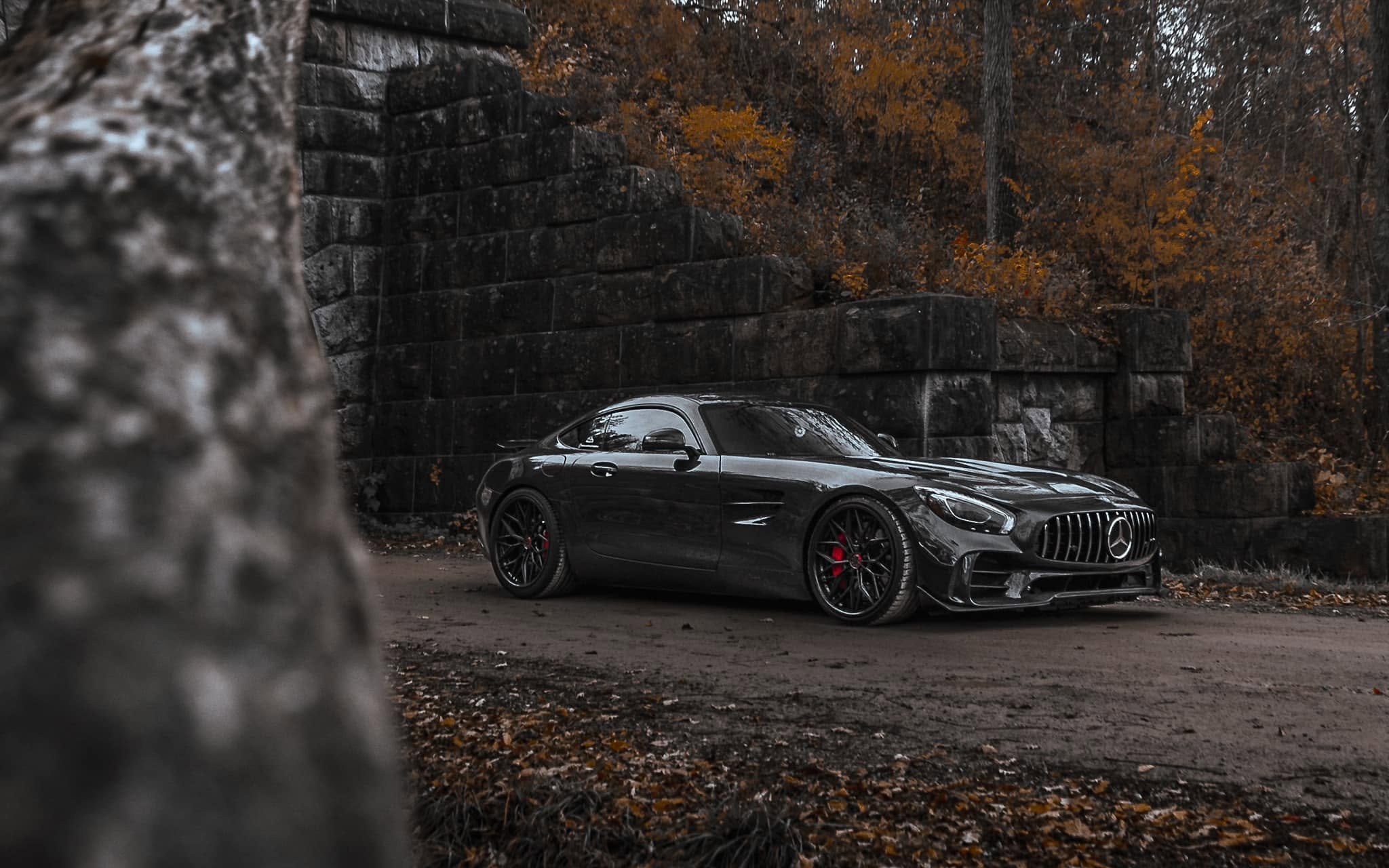
Toward the end of 2023, I had met a guy named Kunal at a GTA car meet who owned a Mercedes-AMG GT S. I approached him and asked if he'd let me photograph it because I desperately needed stronger cars in my portfolio.
He asked to see the photos I had taken that evening first.
If he liked them, he'd let me shoot the AMG.
I still have no idea what Kunal saw in those photographs.
But the man kept his word.
That AMG became the first opportunity I had to photograph something noticeably higher up the automotive food chain than the cars I normally had access to through friends, school connections and local meets.
A few months later came MorningMeets.
And somewhere around that point, the trajectory changed.
MorningMeets taught me more about photography in two years than I probably managed to teach myself through several years before it.
Not because somebody sat me down and started giving lessons.
Because I had to do it.
Again.
And again.
And again.
Different locations.
Different lighting.
Different cars.
Different people.
Different problems.
Hundreds of photographs needing to be culled, edited and delivered quickly.
I learned what same-day delivery actually means when a gallery contains hundreds of images.
I learned how important workflow becomes once another person is waiting on the other side of it.
I learned to socialize.
More importantly, I (like to say) i’ve learned when to stop socializing because the conversation I'm enjoying is happening while photographs I should probably be taking are happening somewhere behind me.
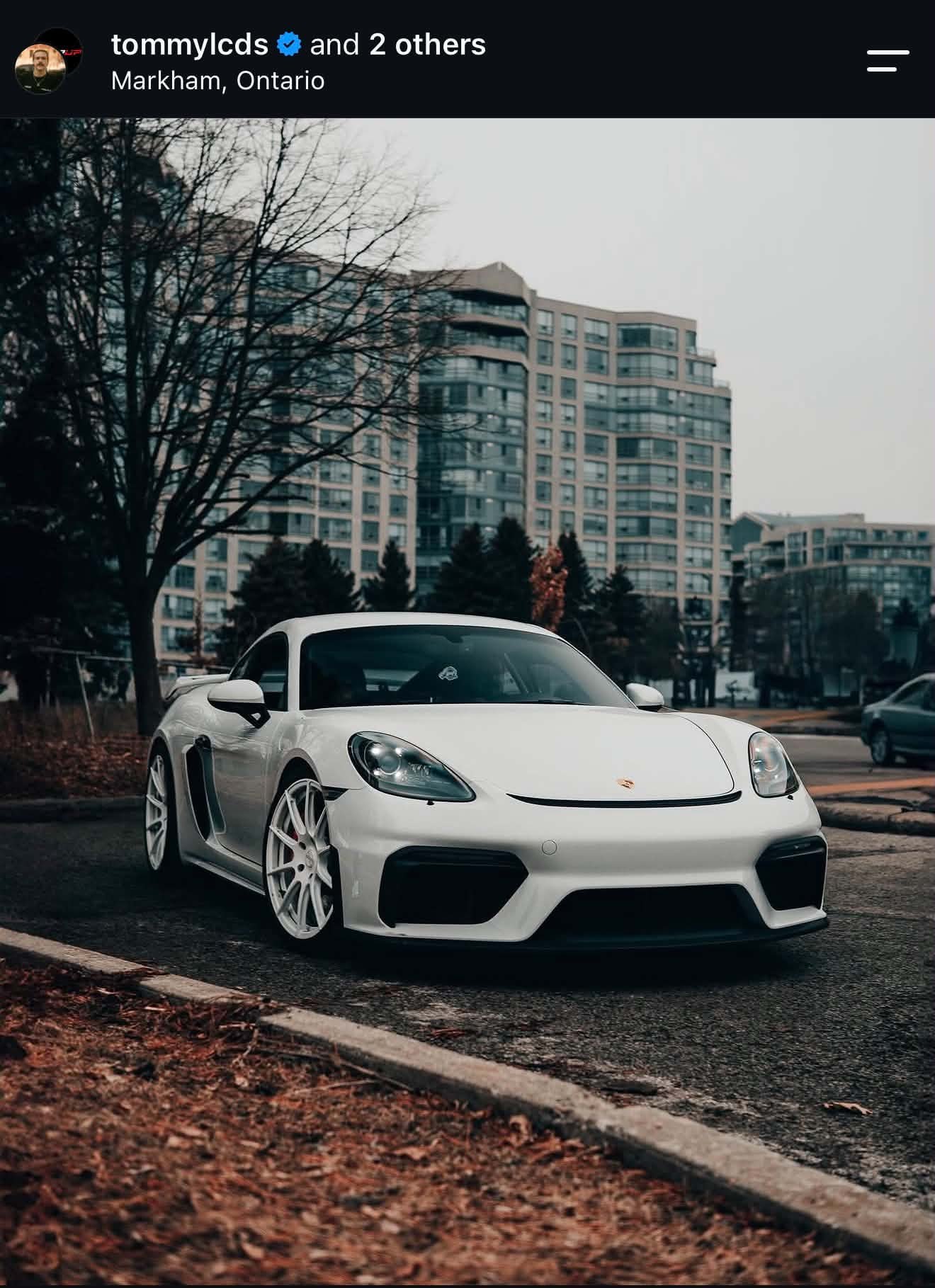
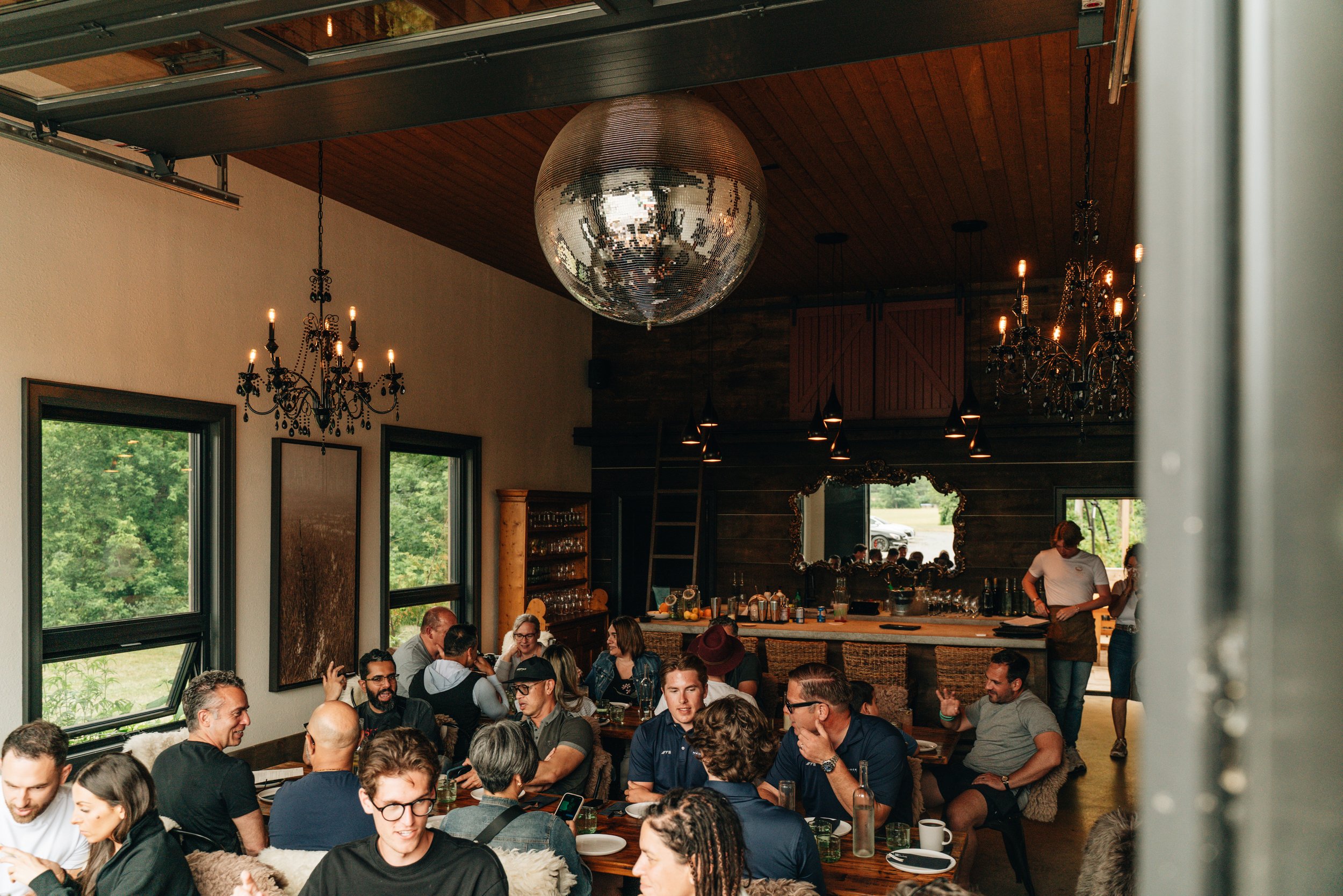
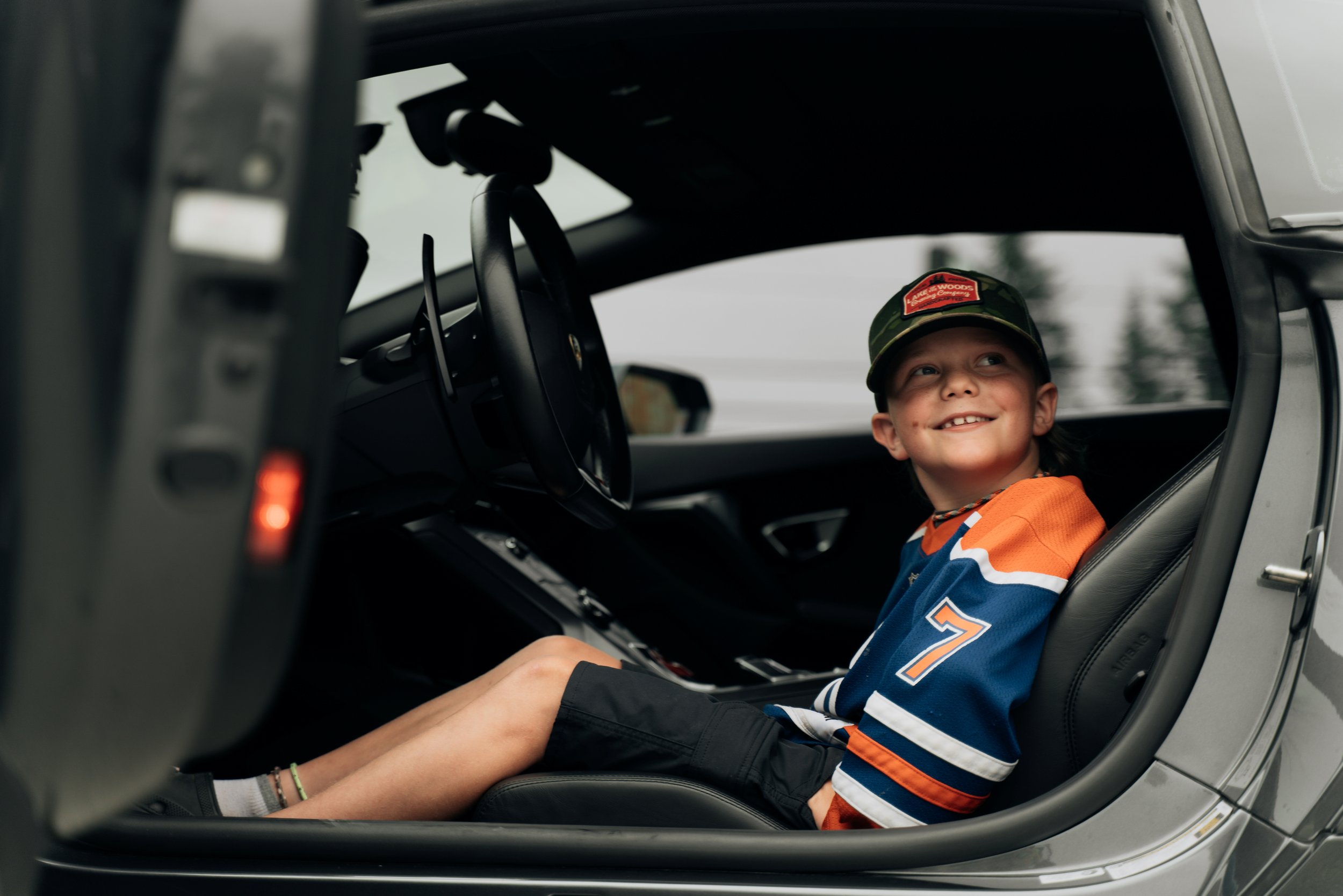
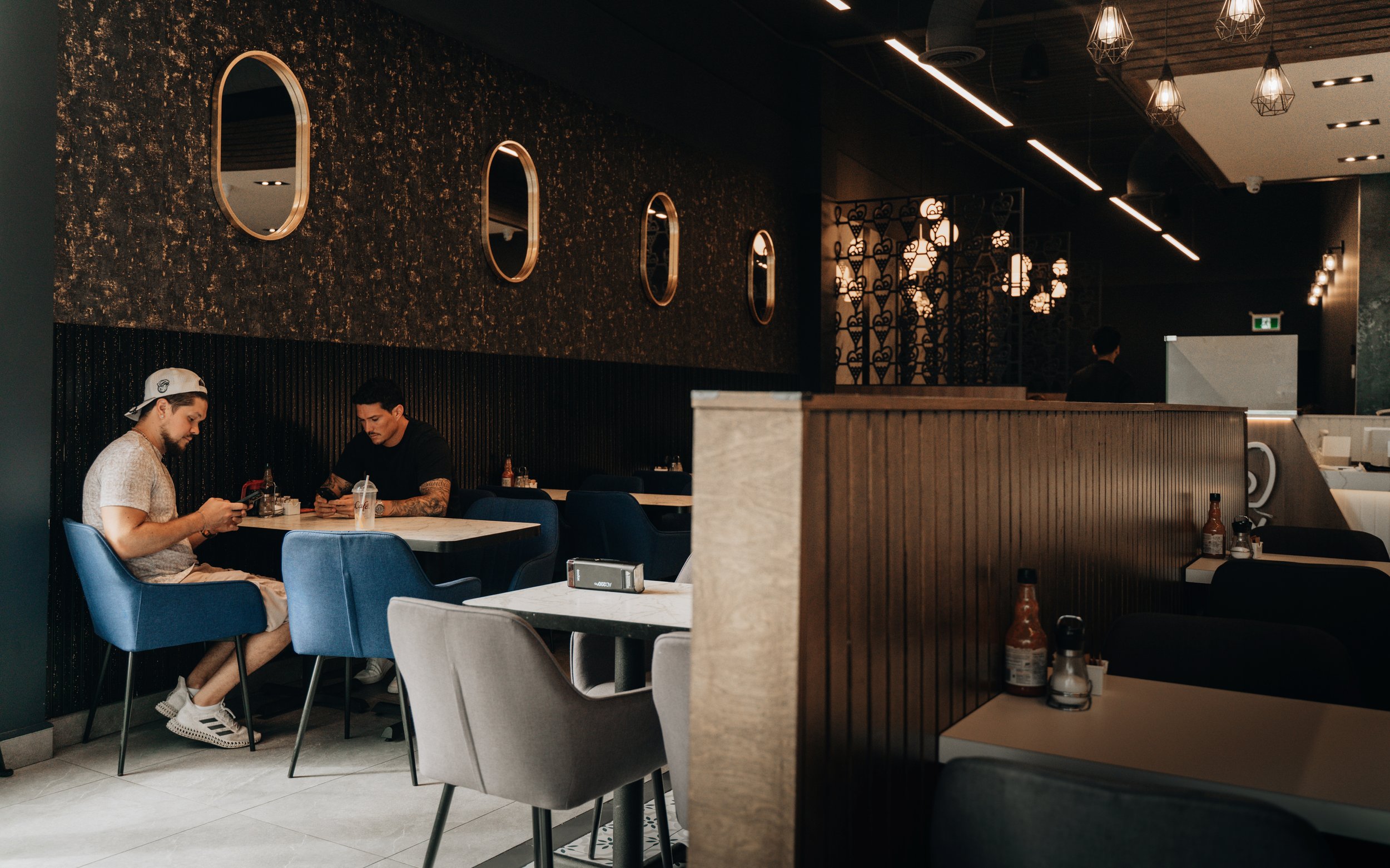
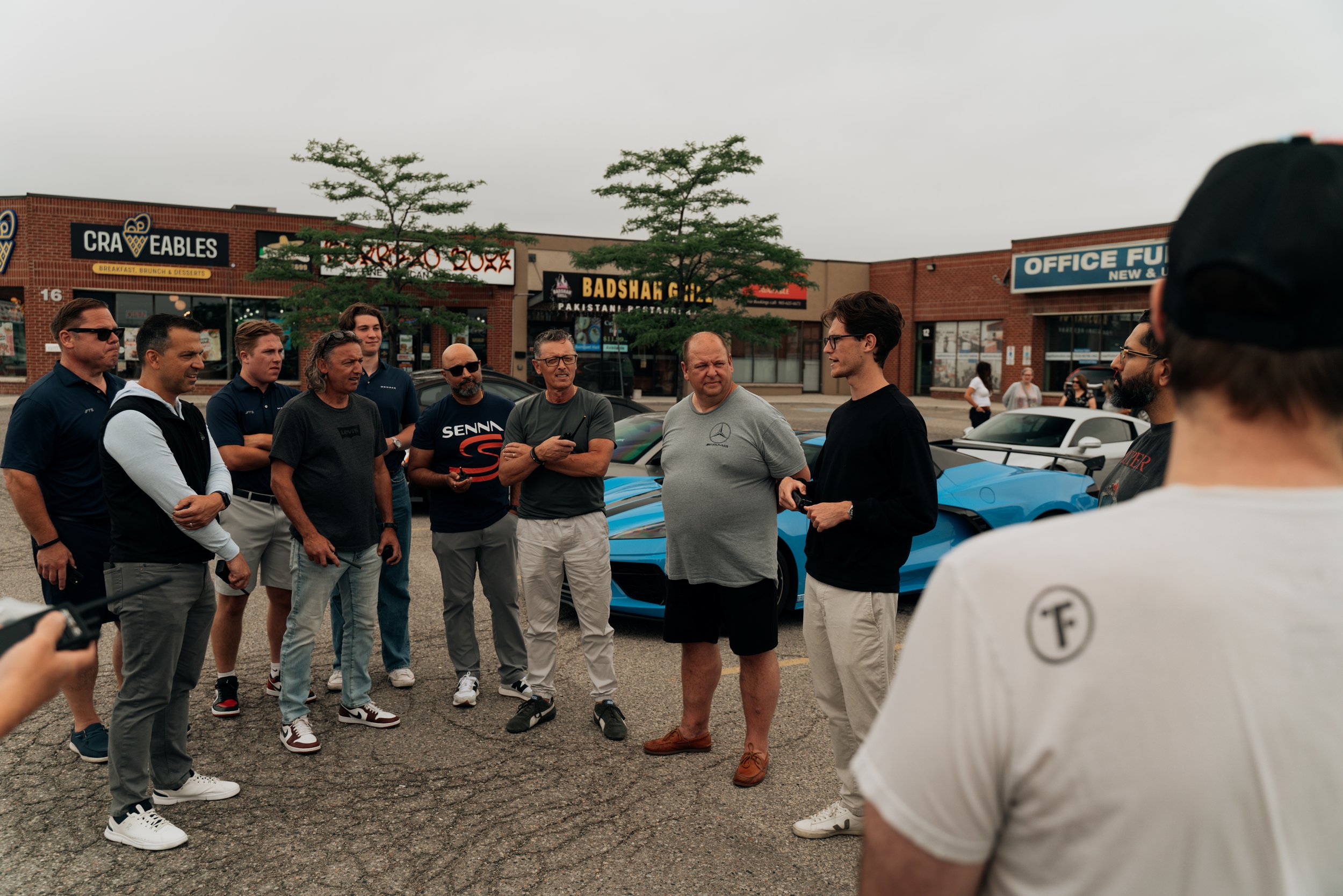
But the biggest thing MorningMeets taught me was that some of my favourite automotive photographs aren't really about the cars.
They're about the people around them.
The culture.
The reactions.
The interaction between an owner and their car.
The kid seeing something exotic for the first time.
The group of friends laughing beside something they've spent countless hours building.
Cars might be the reason everyone arrived.
The people are usually the reason the photograph matters.
That realization fundamentally changed how I approached event photography.
There is a line people love repeating in creative industries:
"It's not what you know, it's who you know."
I've always felt that saying does a slight disservice to the "what you know" part.
Knowing people will absolutely open doors.
But once that door opens, you'd better know what you're doing.
MorningMeets became the clearest example of that for me.
Keval Raja, Senior Planner, Marketing Communications at Nissan Canada, is part of the MorningMeets community.
Every time MorningMeets published photographs I had taken, I was unknowingly building credibility with somebody I hadn't even realized was watching.
One event at a time.
One gallery at a time.
One post at a time.
Eventually, Keval was entrusted with a pre-production Nissan Ariya while it was in Canada.
And when he needed a photographer, he already knew who he wanted to call.
Me.
There are sentences I can type now that still sound completely absurd.
That is one of them.
If you had told me in March 2024 that answering an Instagram post about photographing a parking-lot car meet would eventually result in Nissan Canada trusting me around an unreleased production vehicle, I probably would have stopped trusting you.
Yet that's exactly what happened.
And it happened because the photographs mattered, but relationships mattered too.
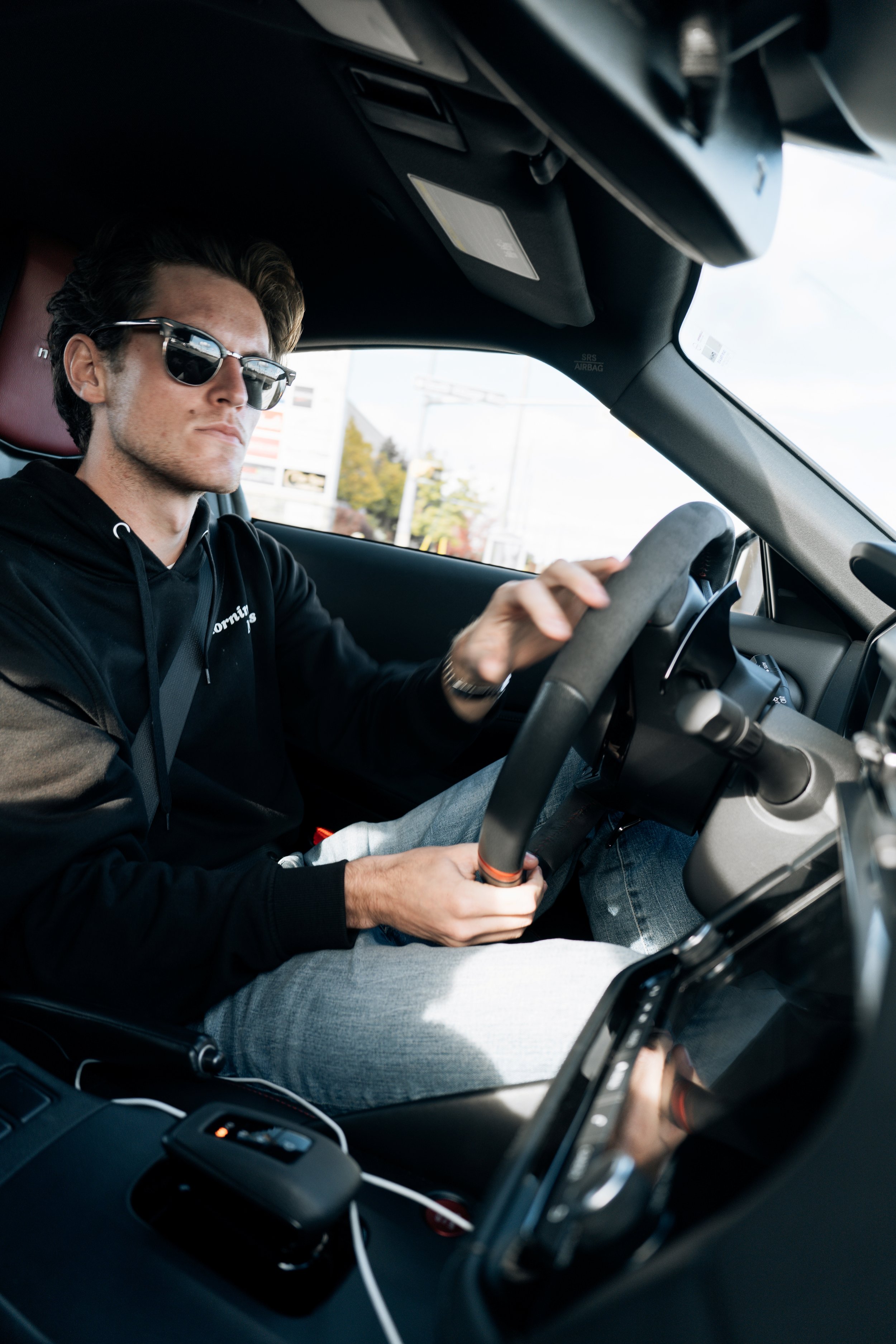
There is another person who deserves significant credit here: Matt Collyer.
If not for Matt, I can confidently say I wouldn't have seen three-quarters of the opportunities I've had.
Photography can speak for itself.
But eventually, somebody has to be listening.
Having a person willing to put their own reputation behind your name matters more than I understood when I started doing this professionally.
Matt's vote of confidence has meant an enormous amount to me.
And considering Matt has been around long enough to see both the good photos and the ones I would very much prefer we all collectively forget, I have to assume his continued support isn't entirely accidental.
At least, that's what I'm choosing to believe.
One of the strangest milestones had absolutely nothing to do with a major automotive manufacturer.
It was a door-to-door phone carrier salesman.
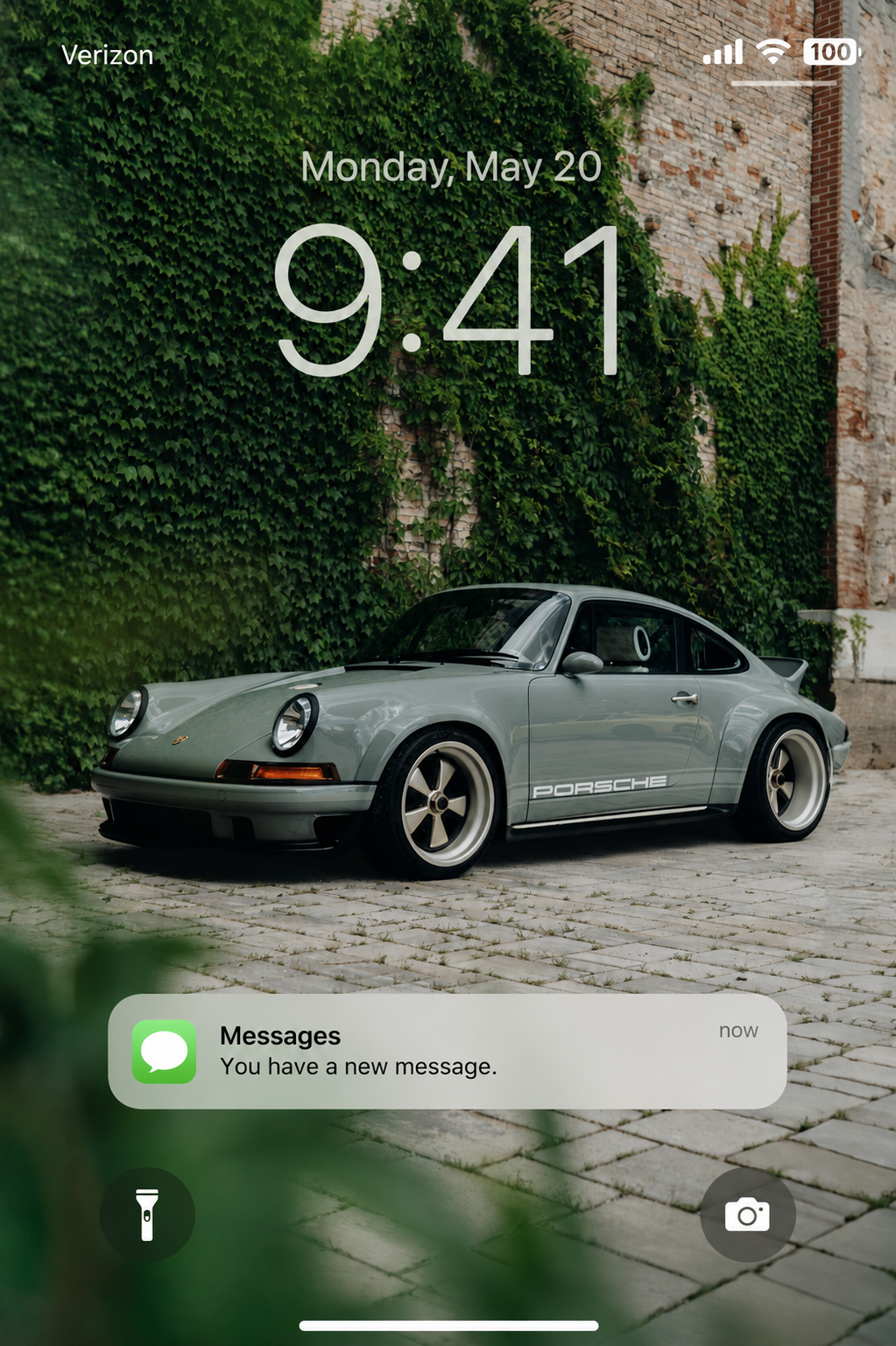
At Kaleidoscope 2, I had photographed the Quartz Commission DLS Singer.
Sometime later, completely outside the context of a photoshoot or automotive event, a phone and internet salesman came to my door and throughout the conversation he eventually pulled out his phone to check the time.
My photograph was his wallpaper.
I wish I could tell you I handled this like somebody accustomed to seeing their work appreciated in the wild.
I didn't.
I also wish I had been intelligent enough to take a photograph of his phone so I could prove this story happened.
I wasn't.
So you're going to have to trust me.
Or, you can ask him yourself. @philip_cullivan
But that interaction stuck with me.
There is something uniquely strange about creating an image, sending it off into the internet, and then encountering it again through somebody else's life.
I had no idea he was going to show up that day.
I didn't know he'd ever seen my photograph.
Yet there it was.
For whatever reason, out of every photograph he could have chosen, he liked mine enough to look at it every time he unlocked his phone.
There are larger accomplishments on paper.
That one still means something to me.
If you're expecting the part where all of this finally clicked and I became confident in my ability, I have unfortunate news.
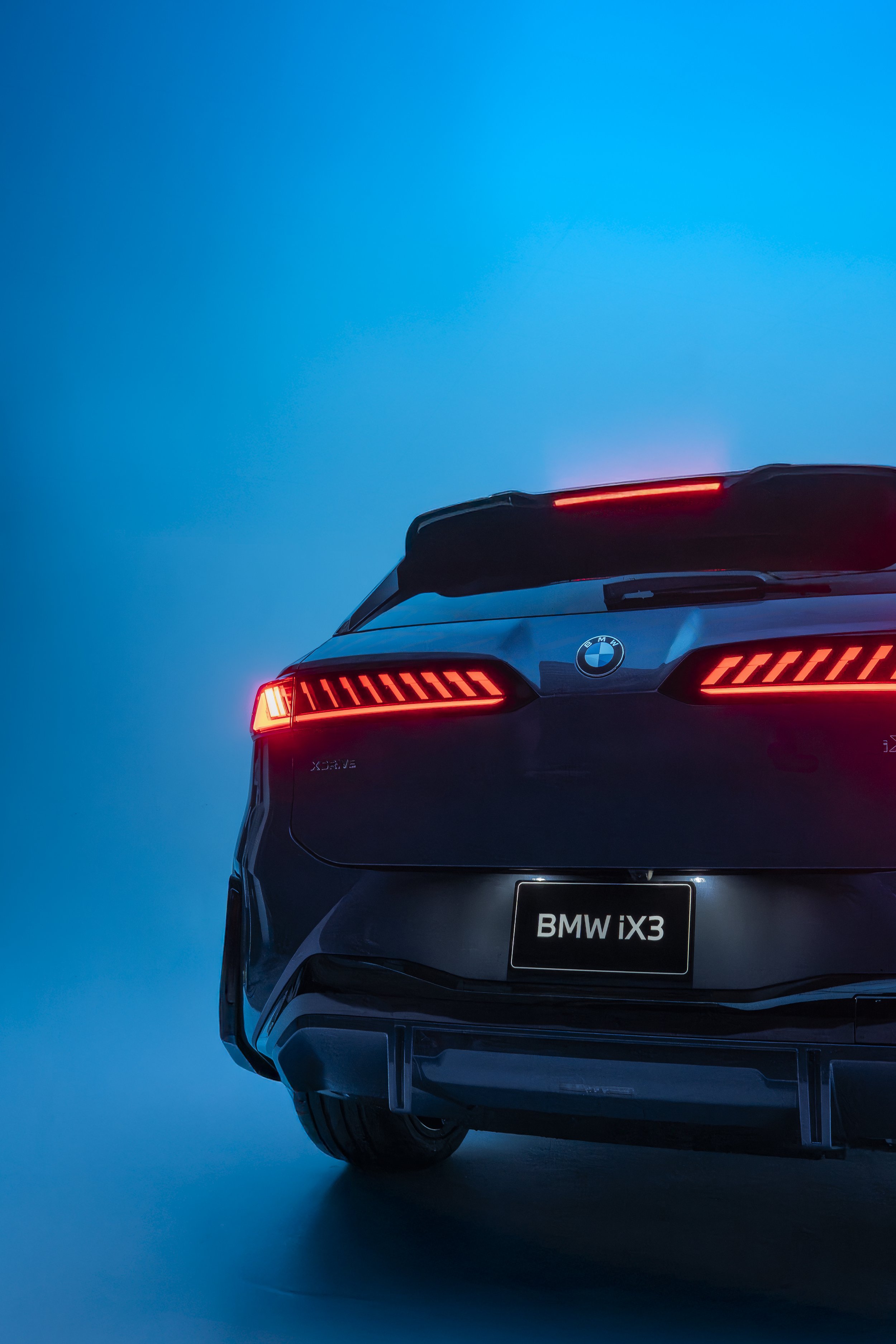
BMW Canada contacted me.
Surely that would do it.
This was one of those moments where I had spent years telling myself that there was some invisible line separating hobby photographers from "real" photographers.
Real companies hire real photographers.
Therefore:
"Once I shoot for a real company, then I'll know I've made it."
Then it happened.
Okay.
New goalpost.
"Once a manufacturer hires me..."
Then that happened.
BMW.
Nissan.
Okay.
New goalpost.
"Yeah, but if they hire me again..."
At some point you have to acknowledge the pattern.
My ability to invent a new qualification for legitimacy appears substantially stronger than my ability to actually accept evidence that I might already possess it.
BMW contacting me in 2026 was probably the first moment where I genuinely considered that my photographs might actually be worth what other people kept telling me they were worth.
Fifteen years.
That's how long that took.
Not fifteen years to take a good photograph.
Fifteen years to occasionally entertain the possibility that I had.
Apparently, This Started Fifteen Years Ago
Charles “Chick” Swarbrick - 2016
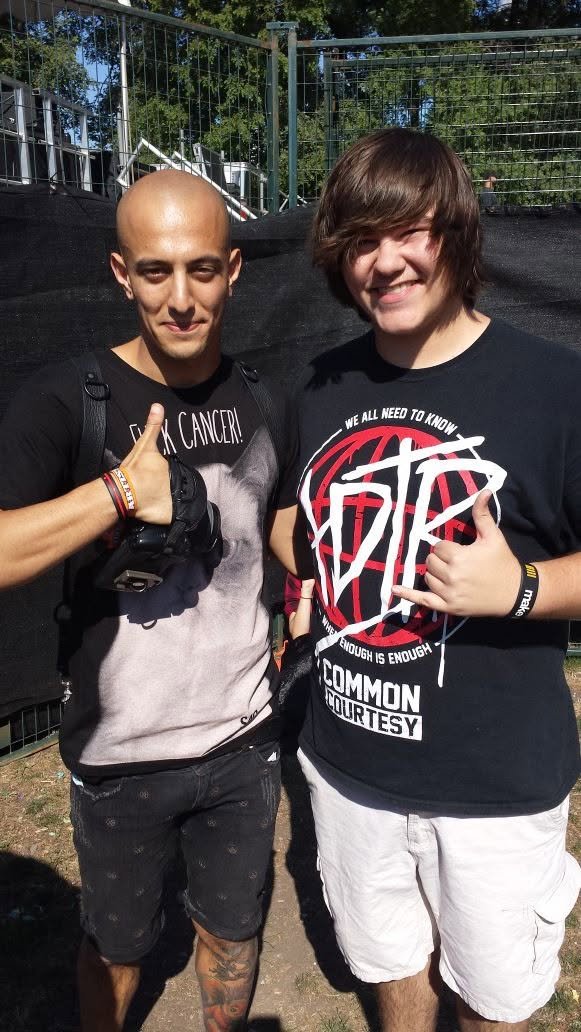
with Adam Elmakias - 2013
Then Cars Happened
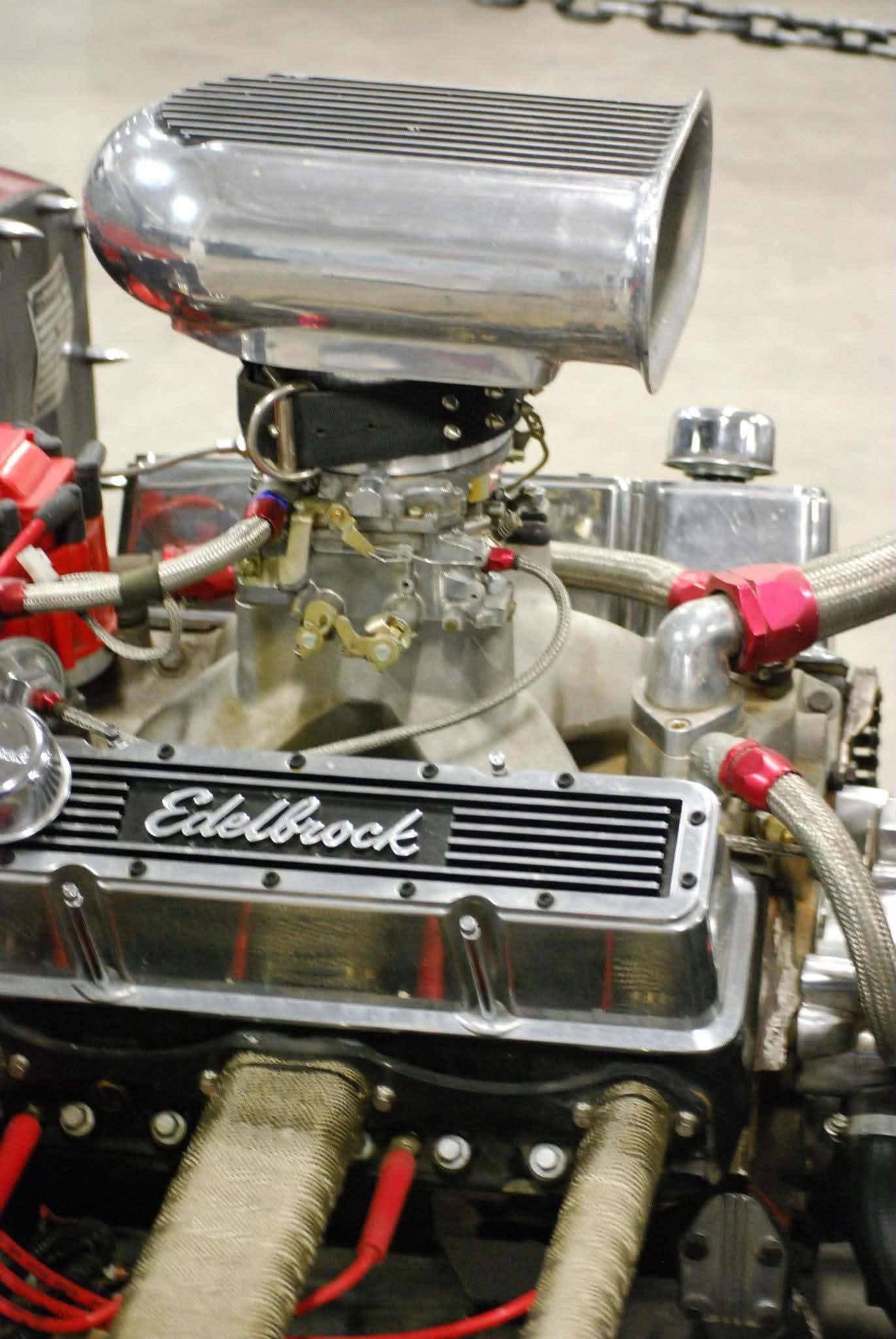
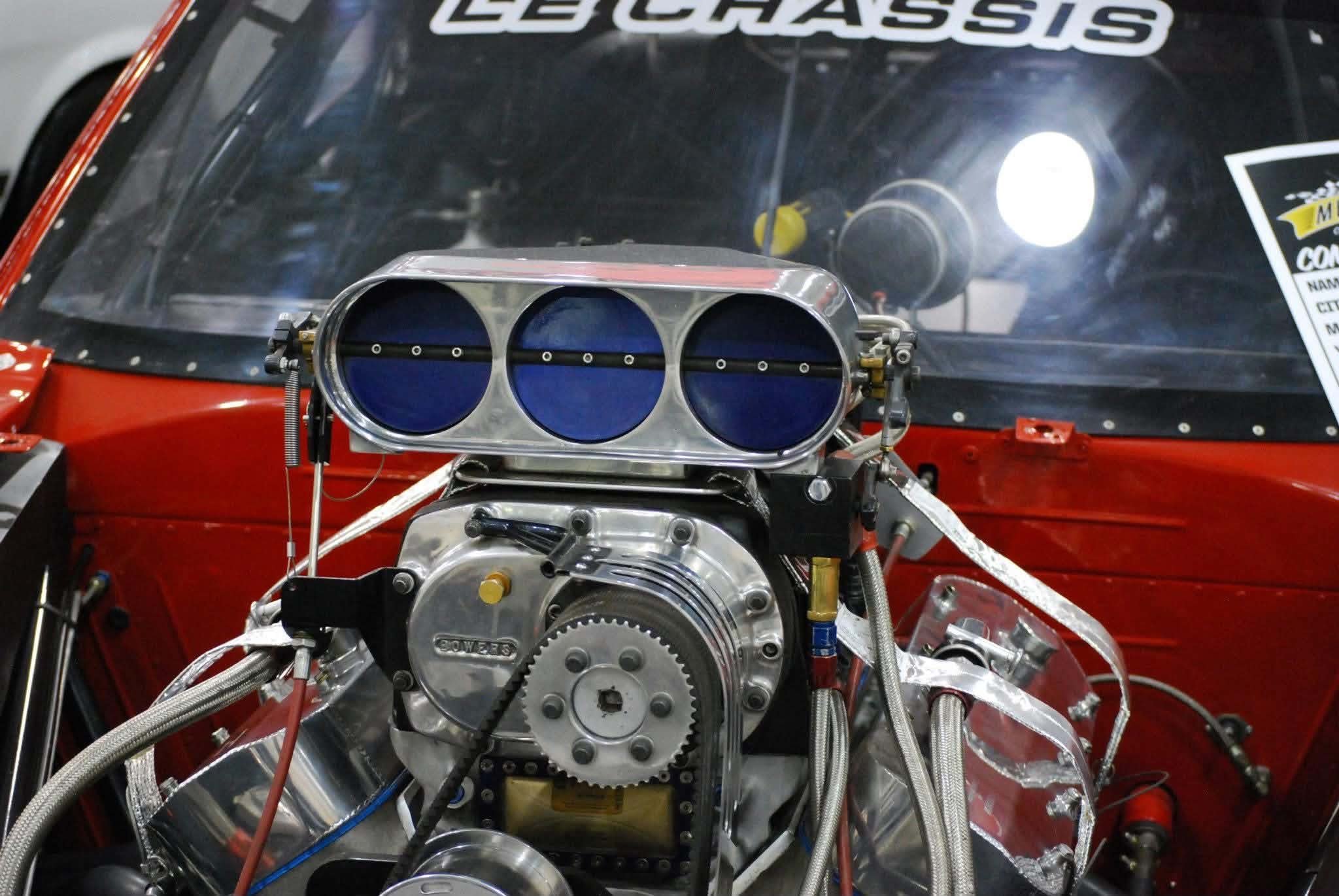
Motorama
2013
The First $100
I Wanted That Damn T-Shirt
Turns Out the Cars Aren't Always the Important Part
It's Not What You Know.
It's Who Knows What You Know.
Matt Collyer - 2024
Wait... People Know My Photos?
And Then BMW Called
Professional Photographer*
*Terms and conditions apparently apply.
I can call myself a professional photographer now.
Technically.
I still stumble over the words almost every time I say them.
The problem isn't that I don't understand my position.
I do.
I understand the opportunities I've been given.
I understand the companies that have trusted me.
I understand that people pay me to do this.
I understand that other photographers occasionally ask me questions about photography.
I understand the evidence.
Believing I deserve any of it is an entirely different exercise.
Imposter syndrome has a funny way of ignoring the evidence presented to it.
Someone compliments one of my photographs?
They're probably just being polite.
A company hires me?
Lucky break.
Another company hires me?
Networking.
A manufacturer trusts me with an unreleased vehicle?
Okay, but what if I screw up the next one?
I almost always see the flaws in my own work before I see its strengths.
Sometimes I don't see the strengths at all.
It's one of the reasons I've historically struggled to present my own work for display. Asking me to choose my strongest photographs is essentially asking a restaurant critic to write glowing reviews while they're still standing in the kitchen complaining that somebody used too much salt.
And yet, strangely, I've started to appreciate that feeling.
I don't compare myself to other photographers nearly as aggressively as I once did.
Seeing better work doesn't automatically make me feel worse about mine anymore.
Usually.
Instead, it reminds me there's something left to learn.
Something left to improve.
I would rather feel like I need to prove I deserve the seat than become so comfortable in it that I stop pushing myself.
Every new photoshoot still feels like another opportunity to demonstrate that I belong here.
Maybe that's unhealthy.
Maybe that's useful.
Realistically, it's probably both.
"You're Lucky"
I've been called lucky more than once.
And I am.
Of course I am.
There is luck involved in nearly every creative career.
I was lucky my grandfather happened to own a camera and was willing to hand it to me.
I was lucky that bus to Motorama had empty seats.
I was lucky Dylan somehow discovered my photography.
I was lucky the MorningMeets talent call landed directly in front of me when I opened Instagram.
I was lucky to meet people like Matt.
I was lucky Keval happened to see my work.
I'm not interested in pretending otherwise.
But there's a phrase I keep coming back to:
Preparation breeds luck.
The MorningMeets post appearing on my phone was luck.
Showing up was not.
Getting the T-shirt might have been the original mission.
Continuing to show up, event after event, wasn't luck.
Keval seeing a MorningMeets photograph might have happened by chance.
Having enough photographs consistently published for him to develop trust in my work wasn't.
Being offered an opportunity involves luck.
Being capable of delivering when it arrives is something else entirely.
Maybe that's one of the biggest differences between thirteen-year-old me and the photographer writing this now.
I still love the moment where an idea becomes something tangible.
But now, sometimes, somebody else is depending on me to make that happen.
Fifteen Years Later
When I look at my earliest surviving photographs now, I don't really see bad photography.
There is plenty of technically bad photography in them, obviously.
But that's not what I notice first.
I see a kid exploring.
I see someone finding a new thing and trying to understand how far he could push it.
There was no concern about whether an image would attract a client.
Nobody was paying a bill because of those photos.
Nobody needed them by tomorrow morning.
No marketing department was reviewing them.
They existed because I wanted to make them.
That's it.
And somewhere in that completely unstructured experimentation, I was building the foundation for something nobody around me, myself included, would have reasonably predicted.
That kid photographed his pets.
Then his friends.
Then some cars.
Then better cars.
Then events.
Then people around those events.
Eventually somebody paid him $100.
Eventually an organization let him onto its media team.
Eventually manufacturers started calling.
Eventually BMW Canada contacted him.
Eventually Nissan Canada handed him the keys to a vehicle the public hadn't even properly met yet.
And somehow, at every single stage, he found a reason why the next accomplishment would be the one that made everything legitimate.
I don't consider myself successful.
Not remotely.
There are too many things I still want to do for that word to sit comfortably.
But maybe I've been confusing success with professionalism.
They aren't the same thing.
Success is subjective.
Professionalism is what you do when somebody trusts you with the opportunity.
It's showing up.
It's preparing.
It's understanding that the photograph is only part of the job.
It's delivering when you said you would.
It's learning how to communicate.
It's learning when you need a contract.
It's understanding that photography has value beyond the number of hours it took you to press the shutter.
It's realizing that relationships matter.
It's making mistakes, occasionally expensive ones, and refusing to make the same mistake twice.
It's recognizing that being nervous doesn't necessarily mean you're unqualified.
Sometimes it just means you care.
And maybe being a professional has significantly less to do with finally feeling ready than I once thought.
So... Am I a Professional?
Fifteen years later?
Yeah.
I think I am.
That still feels weird to write.
I don't think becoming a professional happened when Dylan handed me that first $100.
I don't think it happened when MorningMeets gave me a media shirt.
It wasn't the first invoice.
It wasn't BMW.
It wasn't Nissan.
There was no ceremony.
Nobody handed me a certificate.
There wasn't a particular photograph where the shutter clicked and suddenly everything before it became "hobbyist" and everything after became "professional."
It happened gradually.
So gradually that I apparently managed to miss it.
Maybe that's why the title of "professional photographer" still feels borrowed sometimes.
I spent so many years imagining that professional photographers existed somewhere on the other side of an invisible wall.
They knew everything.
They didn't second-guess photographs.
They didn't stare at Lightroom wondering whether the previous version was better.
They didn't get nervous before assignments.
They certainly didn't occasionally wonder whether everyone around them had made a horrible administrative mistake by allowing them into the room.
Then I got closer to that wall.
And closer.
Eventually I walked straight through it without noticing.
Turns out there wasn't anything on the other side.
Just more photography.
Higher stakes.
Better opportunities.
More responsibility.
More people trusting you.
And, if you're lucky, enough self-awareness to understand there's still an enormous amount left to learn.
If thirteen-year-old me could see where that Nikon D800 eventually led, I don't think he'd believe it.
The kid photographing whatever happened to be around the house couldn't have imagined MorningMeets.
He couldn't have imagined BMW Canada.
He couldn't have imagined Nissan Canada.
He couldn't have imagined people recognizing his photographs, companies licensing them, other photographers asking him for advice, or having to seriously think about what his work was worth.
Hell, I'm living it and I barely believe it.
Maybe that's okay.
Because fifteen years later, I still get the same satisfaction I did when this started.
There is an idea in my head.
I pick up a camera.
I try to turn it into something real.
The only difference now is that, occasionally, somebody pays me to do it.
Which, apparently, makes me a professional.